
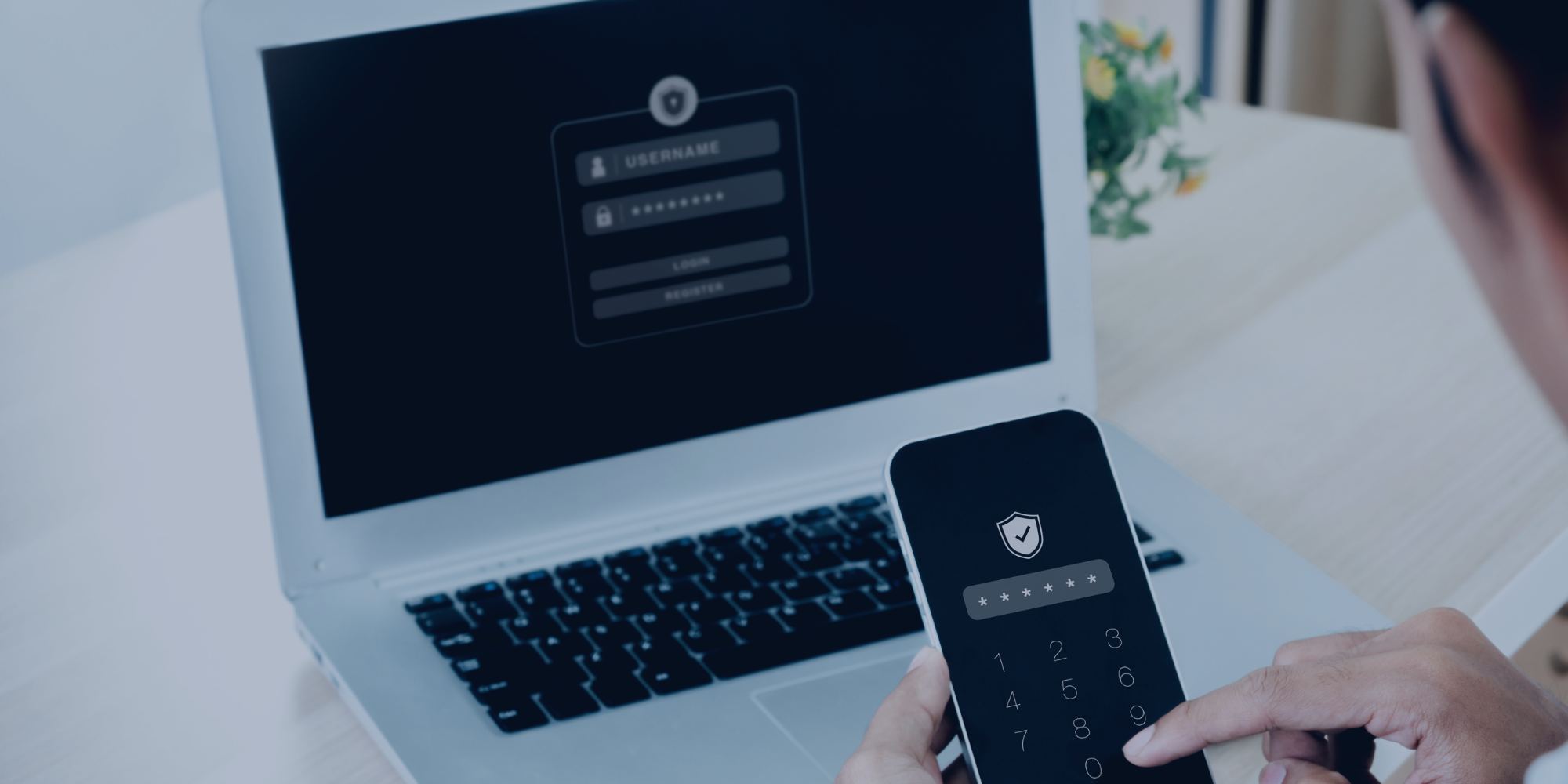
Increasingly common for to be able to access applications and services, ‘MFA’ is a necessary tool that is more crucial than many realise.
In an age where our personal and professional lives are increasingly online, passwords alone are no longer enough to keep us safe. Cybercriminals are constantly evolving their tactics—whether through phishing emails, brute-force attacks, or data breaches. One of the simplest, yet most powerful, tools you can use to safeguard your accounts is Multifactor Authentication (MFA).
What Is Multifactor Authentication?
MFA is a security method that requires you to prove your identity using two or more verification factors before granting access to an account. Typically, these factors fall into three categories:
- Something you know – A password or PIN.
- Something you have – A security token, authenticator app, or SMS code.
- Something you are – Biometrics like fingerprints or facial recognition.
Even if a hacker manages to steal your password, MFA ensures they’ll still need another form of verification to gain access.
Why MFA Is Invaluable
1. It Stops the Majority of Account Takeovers
According to Microsoft, MFA can block over 99% of automated cyberattacks. This means that even if your credentials are exposed in a breach, your accounts are far less likely to be compromised.
2. It Protects Against Phishing
Phishing emails may trick you into revealing your password, but without the second factor – such as a code generated by an authenticator app – the attacker hits a dead end.
3. It Provides Layered Security
Cybersecurity experts often talk about “defence in depth.” MFA adds an extra wall between criminals and your sensitive information, reducing the chance of a single point of failure. This is part of a wider range of security organisations are expected to have in place particularly in relation to a variety of laws and regulations.
4. It’s Easy to Implement
Many platforms from email providers to banking apps, offer built-in MFA options. Setup is usually straightforward, requiring only a few minutes to add a phone number, authenticator app, or hardware token.
Real-World Impact
Consider the difference between leaving your front door locked with a single key versus locking it and also setting an alarm. A burglar might pick the lock, but triggering the alarm makes their job much harder—and riskier. MFA works the same way: it’s not about making hacking impossible, but about making it difficult enough to deter most attackers.
In terms of technology, Multifactor Authentication is no longer optional – it is essential. The extra step it requires is a small price to pay for significantly increased security. By combining something you know with something you have or are, you can drastically reduce your vulnerability to cyber threats.
Enable MFA on all your critical accounts today – your future self will thank you.