
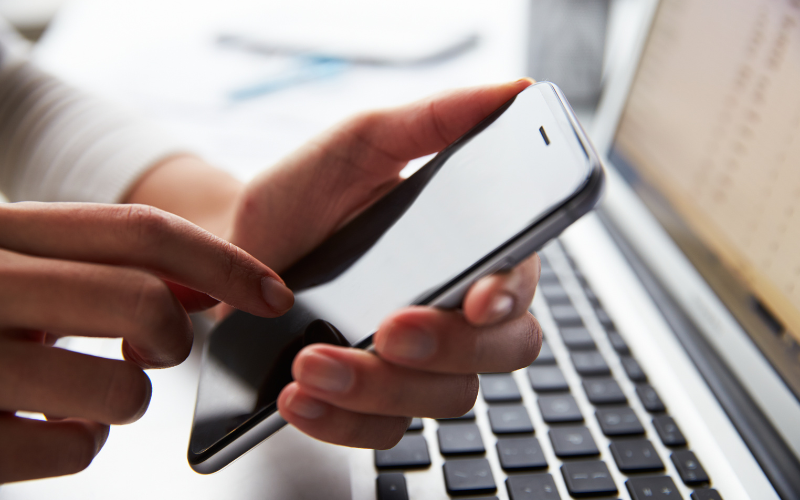
Company mobile phones have been common for years, but it can be uncertain what benefits they can bring to a business.
Most people own a mobile phone for personal use. They help keep connected and can provide access to a range of applications for numerous purposes including professional needs – as well as the obvious original purpose of being a telephone.
Following major changes in working practices brought on by global events in recent years, the onus on mobile devices to keep connected in a professional capacity shifted to a wider practice which in itself has brought a wave of benefits and risks.
As many rushed to adapt to working from home, the use of a personal mobile phone for work purposes for many became the norm if it had not already been previously. However, this has become a wider talking point within industries and individuals with reports that businesses now adopting or expanding use of more company issued mobile phones to staff.
Here we will highlight some of the key reasons for the increased use of dedicated work mobiles in businesses.
Seamless Working
Flexible working across multi-site, remote or field-based benefits from a seamless working infrastructure. Along with a laptop device to support in any location, a company phone can further support a more productive working structure both maintaining a consistent means of communication. As a separate, dedicated company phone this can aid to set out clear, defined route for contact between colleagues and partners, but also provide clear separation between the staff member and company contacts avoiding the need to share more personal contact information.
Alongside being used as a phone, the device can also aid remote and particularly field-based working by also supplying means as a data hot spot to remain connected to company systems. Having a company device providing internet access to data systems can help ensure improved security as it removes other risks such as data sharing while using public Wi-Fi networks.
Data Security
Keeping data secure should be a top priority for every business. While there are numerous applications to provide IT security protection your systems at office and cloud level to ensure flexible working opportunities are possible in a safe way, a mobile device can provide further protection.
Multi Factor Authentication (MFA) tools are becoming widely integrated in many applications and are recognised as one of the most necessary tools to support data protection. MFA can help both to create an added layer of protection to prevent unauthorised access to applications and systems, but also operate as an alert when such incidents are attempted so action can be taken. Due to the nature of MFA tools, these are most common to be associated against a mobile device therefore having a device dedicated for this purpose in a protected way is recognised as best practice.
However, as Multi Factor Authentication expands across more applications, it does create another risk for businesses. If an individual’s personal phone is used both for company and personal authentication purposes, this can create its own risks longer term.
Should something happen to the individual’s personal device leading to it being lost, stolen, compromised or even should they leave the business, it can mean access to systems and applications associated with them can also become compromised.
As a personal device, there is also an added risk based on the other applications used on the device unknown to the business and possibly the user which can also create vulnerabilities that could be easily avoided.
Through supply of a dedicated company mobile phone, a clear separation between work and personal tools can be established easily while maintaining clear device infrastructure and procedures.
Company Policy
Following numerous changes in regulations regarding company responsibilities for data protection in recent years, best practice and industry guidelines have meant a wave of change to company policies.
Many companies will have already established IT policies or policies regarding the use of company IT equipment. However, the changes in 2018 led to likely all businesses readdressing their approach to device use and data security practice at all staff levels.
Following the changes to typical working structures and increased consideration to data security risks, these policies are further driving a change in approach to how businesses view in particular mobile phones.
For businesses who hold or aim to obtain Cyber Essentials accreditation, policies will likely have changed to reflect the necessary practice guidelines set out to gain recognition of approach to cyber security. Introducing further procedures and practices for a more enhanced approach to data security may benefit further from a more cohesive approach to mobile phones at the workplace.
With recognised increasing risks around communication applications including WhatsApp and TikTok in particular, many companies are now seeking to implement policy changes to ban their use on devices used for work. This approach means the only realistic solution is to provide a dedicated device which can be monitored and restricted to prevent such applications to be installed. However, providing such devices does also provide greater control for the business in the longer term around mobile phones for business use as additional tools can be applied to enable restrictions, maintain access and similar advantages to aid monitoring which for some, may still seem intrusive.

Boundaries
Discussion continues on the benefits and challenges a work from home style working structure can bring. One topic that was highlighted across most discussions was boundaries.
When people were first working from home, many shared that over time they felt unable to find the means to generate a balance due to circumstances meaning they were never leaving the same space. The world became more connected digitally, but at the same time concerns rose of those feeling unable to disconnect from their work. This was for some also due to their personal mobile being the point of contact for all forms of communication therefore leading to unwelcome contact when on annual leave or similar situations.
With a separate business mobile, it enables a clear divide between work or personal calls. Out of work hours, the company phone can be turned off or put aside to allow the person to have a more physical boundary to work in their own space. This also enables the means for boundaries between the individual and the business to avoid the accidental overlaps outlined above. The separate devices can also help the business maintain a professional brand approach such as voicemail content.
This format has proven effective historically with more field-based roles while requiring a more disciplined approach from all sides. This can be furthermore beneficial for team members who do not hold set working hours or work generally remote to a single or multi-site office.
For more advice on keeping your business cyber secure or other IT support and infrastructure assistance Information Solutions are here to help.
